
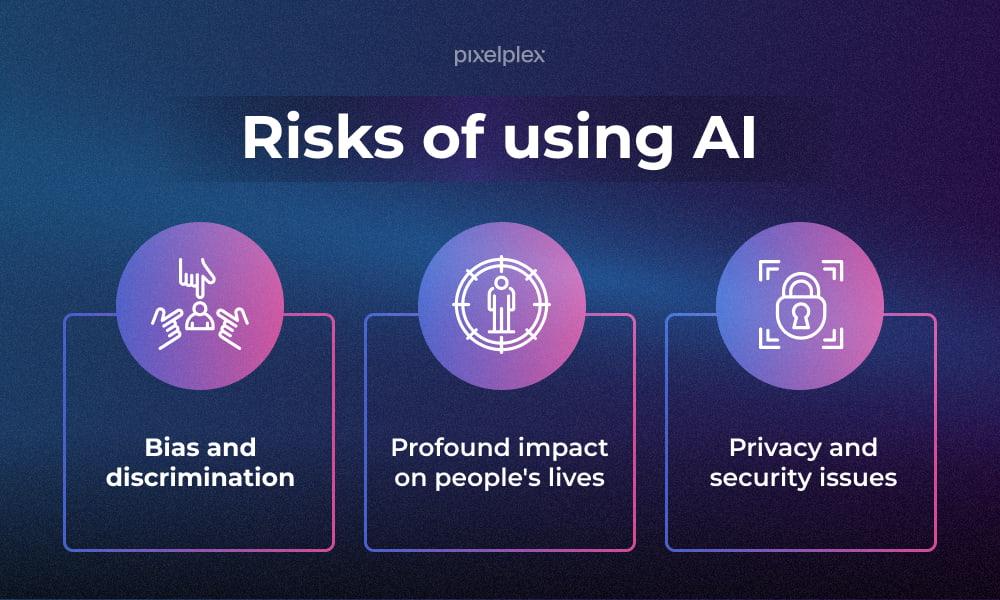
A new bill aimed at regulating the use of artificial intelligence (AI) in state government services has been introduced, sparking a critical conversation about the role of emerging technologies in public administration. The proposed legislation seeks to establish clear guidelines and accountability measures to ensure that AI systems used by state agencies operate transparently, ethically, and securely. As the adoption of AI accelerates across government functions,lawmakers emphasize the need to balance innovation with safeguards that protect citizens’ rights and maintain public trust.
Table of Contents
- Bill Introduces Framework for Ethical AI Use in Public Sector
- Details on Compliance Requirements and Transparency Measures
- Expert Recommendations for Safeguarding Citizen Data Privacy
- Legislative Impact on AI Innovation and Government Efficiency
- The Way Forward
Bill Introduces Framework for Ethical AI Use in Public Sector
The newly proposed bill sets forth a complete framework aimed at ensuring that artificial intelligence systems deployed within state government services adhere to strict ethical standards. It emphasizes accountability, transparency, and fairness as foundational principles, mandating that AI solutions respect citizens’ rights and mitigate biases that could lead to discrimination. This legislation seeks to establish clear guidelines for AI development, procurement, and implementation, fostering public trust by requiring agencies to conduct regular audits and impact assessments before AI deployment.
Key provisions of the framework include:
- Mandatory ethical review boards to oversee AI integration
- Protocols for transparency about AI decision-making processes
- Mechanisms for citizens to contest or appeal AI-driven outcomes
- Training programs focused on ethical AI use for public sector employees
By embedding these measures, the bill aims to balance technological innovation with moral responsibility, ensuring AI tools serve the public interest without compromising societal values.
Details on Compliance Requirements and Transparency Measures
The proposed legislation mandates strict compliance frameworks for all AI systems deployed within state government services. Agencies will be required to implement comprehensive audit trails to monitor AI decision processes, ensuring accountability and preventing misuse. Key compliance elements include:
- Mandatory impact assessments before AI deployment to evaluate ethical and social risks
- Regular third-party audits to verify adherence to regulatory standards and data integrity
- Clear documentation protocols for AI algorithms,data sources,and training methodologies
- Robust reporting mechanisms for any anomalies or biases detected in AI outputs
Transparency is a cornerstone of the bill,compelling public entities to disclose AI system capabilities and limitations openly. This transparency extends to preventing deceptive practices such as deepfake greenwashing, where AI-generated content might misleadingly portray environmental or social responsibility. To combat such risks, the bill requires:
- Public access to AI-generated decision data whenever applicable
- Clear labeling of AI-created or modified content to ensure users are informed
- Ongoing public education initiatives to raise awareness of AI’s potential impacts and safeguards
These measures seek to foster trust and ensure that AI tools serve the public interest without compromising integrity or fairness.
Expert Recommendations for Safeguarding Citizen Data Privacy
Leading experts emphasize the urgent need for transparent AI frameworks that prioritize the security of citizen data in public services. They advocate for robust data minimization protocols ensuring only essential personal data is collected and retained. Additionally, experts call for stringent access controls and regular audits to detect and mitigate potential breaches swiftly. Embedding privacy-by-design principles within AI systems is highlighted as a critical safeguard, ensuring privacy is an integral consideration throughout the entire technology lifecycle.
Among the top recommendations are measures that increase accountability and public trust:
- Mandatory impact assessments for AI applications involving sensitive data
- Clear rights for citizens to access, correct, or delete their data
- Self-reliant oversight bodies to enforce compliance and investigate violations
- Transparent reporting of AI system decisions to prevent opaque or biased outcomes
These safeguards aim to strike a balance between leveraging AI’s capabilities in state services and preserving the basic privacy rights of individuals. Experts warn that without such frameworks, government AI deployments risk eroding public confidence and legal protections in an increasingly data-driven world.
Legislative Impact on AI Innovation and Government Efficiency
As lawmakers push forward with the proposed bill, its ripple effects on AI-driven innovation within state agencies are becoming a focal point of debate. Advocates emphasize that thoughtful regulation can establish a framework that fosters responsible AI deployment without stifling creative progress. This delicate balance aims to encourage government entities to invest in cutting-edge technologies while maintaining transparency and protecting citizen data. However, critics caution that overly stringent mandates might inadvertently slow development cycles and burdensome compliance costs, perhaps delaying the integration of transformative AI solutions that enhance public services.
Efficiency gains stand at the heart of this legislative move, promising to streamline workflows and reduce bureaucratic overhead through automated decision-making and predictive analytics. The bill outlines key provisions including:
- Mandatory auditing of AI systems to prevent hidden biases and errors
- Clear accountability channels for AI-driven outcomes
- Data privacy safeguards tailored to public sector applications
- Encouragement of pilot programs to test AI tools before wide implementation
By embedding these measures, policymakers hope to build public trust and foster a foundation where AI acts as a tool for enhancing government responsiveness, rather than a source of uncertainty or risk. Success will hinge on how well state agencies adapt to and incorporate these regulatory guardrails while maintaining momentum on innovation.
The Way Forward
As the debate around AI regulation continues to gain momentum, the proposed bill marks a significant step toward ensuring that state government services harness artificial intelligence responsibly and transparently.With AI technology rapidly evolving, lawmakers face the challenge of balancing innovation with accountability and public trust. How this legislation unfolds will likely set a precedent for future policies aimed at integrating AI in the public sector, reflecting broader national and global conversations about the ethical use of AI. Stakeholders and citizens alike will be watching closely as the bill advances through the legislative process.