
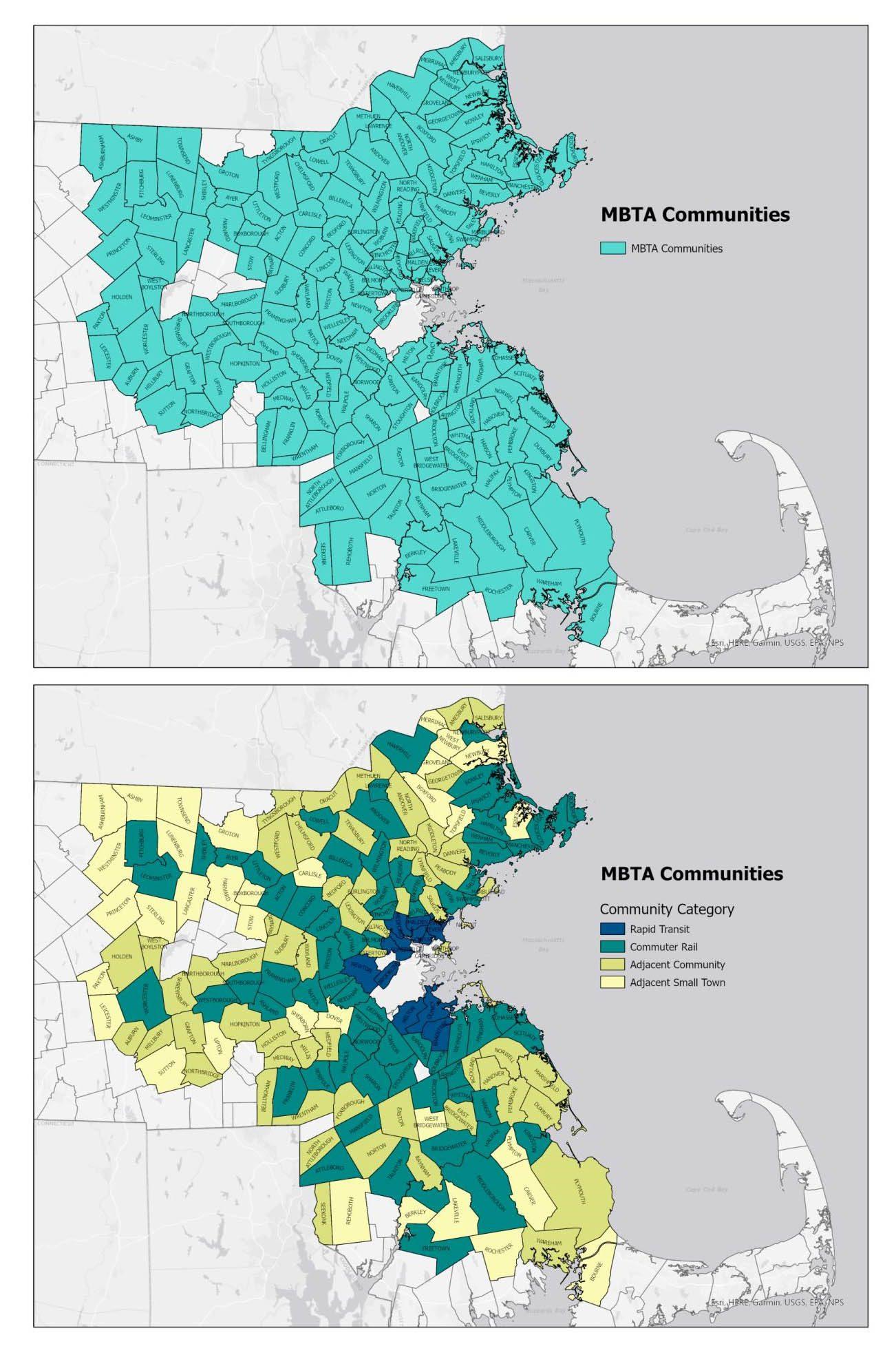
A new legislative bill has been introduced aimed at enhancing public transit infrastructure and ensuring stricter adherence to MBTA zoning regulations. The proposal seeks to improve commuter rail efficiency, support transit-oriented development, and address long-standing compliance challenges within the Massachusetts Bay Transportation Authority’s operational framework.As debates unfold, stakeholders from government, transit agencies, and local communities are closely monitoring the potential impacts on travel convenience, urban growth, and regulatory enforcement.
Table of Contents
- Bill Aims to Expand Funding and Infrastructure for Public Transit Services
- New Zoning Regulations Target Improved MBTA Station Accessibility
- Experts Recommend Streamlined Approval Processes to Accelerate Transit-Oriented Development
- Community Leaders Emphasize Equitable Transit Solutions and Environmental Benefits
- Closing Remarks
Bill Aims to Expand Funding and Infrastructure for Public Transit Services
The newly introduced legislation seeks to considerably enhance public transit by injecting increased funding and upgrading critical infrastructure across Massachusetts. Emphasizing efficiency and accessibility, the bill proposes:
- Expanded capital investments for transit maintenance and modernization initiatives.
- Development of transit-oriented infrastructure to support seamless commuter experiences.
- Increased resources dedicated to safety upgrades and environmental sustainability projects.
This approach aligns with regional goals to accommodate growing ridership and foster equitable transit service, promoting economic vitality through improved connectivity.
Additionally,the bill integrates a renewed focus on MBTA zoning compliance,aiming to streamline the development of multifamily housing near transit hubs. By reinforcing zoning laws and technical assistance, it supports communities in their efforts to align with state housing policies, thereby creating more vibrant, accessible neighborhoods:
- Technical support for local governments to implement zoning reforms effectively.
- Incentives for multifamily housing development near public transit stations.
- Collaboration with state agencies to monitor and ensure compliance.
This dual focus on transit infrastructure and zoning is designed to catalyze enduring urban growth, improving public transit reliability while addressing housing affordability challenges.
New Zoning Regulations Target Improved MBTA Station Accessibility
New zoning measures aim to enhance accessibility across MBTA stations, ensuring compliance with federal and state disability standards. The proposed regulations will require transit-adjacent developments to incorporate design features such as wider pathways, improved signage, and barrier-free entrances.These efforts come as part of a broader initiative to foster inclusivity and convenience for all riders, especially those with mobility challenges.
Key components of the zoning revisions include:
- Mandated installation of elevators and ramps at all newly constructed or renovated station areas.
- Enhanced station lighting and tactile paving to assist visually impaired commuters.
- Incentives for developers who prioritize accessible design in transit-oriented projects adjacent to MBTA stops.
Experts Recommend Streamlined Approval Processes to Accelerate Transit-Oriented Development
Leading urban development experts emphasize the urgent need to streamline approval procedures for transit-oriented projects,citing cumbersome processes as important barriers to timely implementation. By simplifying regulatory steps and expediting permit issuance, municipalities can foster a more dynamic habitat for public transit expansions and associated housing developments.Such improvements are expected to not only reduce delays but also increase cost-efficiency for developers and local governments alike.
Recommendations focus on:
- Consolidating multiple permit reviews into a single, coordinated process
- Implementing clear timelines and accountability measures for decision-makers
- Encouraging early stakeholder engagement to resolve potential conflicts swiftly
- Leveraging technology platforms to manage applications and track progress in real time
Advocates argue that these changes will accelerate development cycles, improve compliance with MBTA zoning requirements, and ultimately contribute to a more sustainable and accessible transit network.
Community Leaders Emphasize Equitable Transit Solutions and Environmental Benefits
Community leaders and advocates are rallying behind the proposed bill, emphasizing its potential to transform public transit accessibility and foster climate resilience. Their collective voice highlights how targeted investments in equitable transit systems could mitigate long-standing disparities impacting underserved neighborhoods. By aligning MBTA zoning compliance with inclusive urban planning, they see a pathway to expanding transit services that connect diverse communities with employment, education, and essential services.
Environmental experts add weight to this call, underscoring significant benefits such as:
- Reduction in greenhouse gas emissions through decreased reliance on personal vehicles
- Promotion of sustainable development patterns along transit corridors
- Enhanced air quality resulting from lower pollution levels
Together, these outcomes reflect a growing recognition that transit equity is not only a social imperative but a critical component of effective environmental stewardship.
Closing Remarks
As the bill moves through the legislative process, stakeholders from transit agencies, local governments, and community advocates are closely watching its potential to reshape public transportation and zoning enforcement within the MBTA system. If passed, it could mark a significant step forward in addressing longstanding challenges in transit accessibility and urban planning compliance. Further developments will be key to understanding the bill’s impact on the future of public transit in the region.