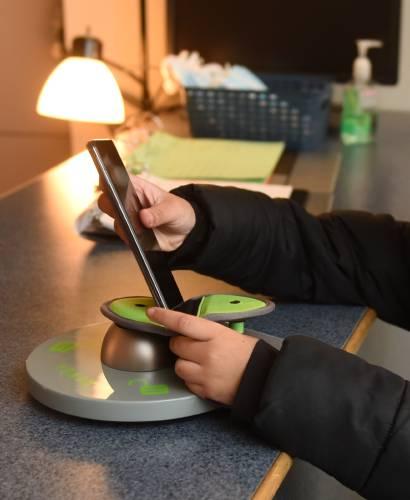
Beacon Hill officials are weighing a proposal to ban cellphones in schools, sparking a debate about the impact of mobile devices on students’ learning and classroom behavior. The potential policy change aims to address concerns over distractions, cyberbullying, and academic performance as educators and parents weigh the benefits and drawbacks of smartphone use during school hours. The decision could set a precedent for other districts grappling with similar challenges in managing technology in educational settings.
Table of Contents
- Beacon Hill Debates Impacts of Cellphone Use on Student Focus and Performance
- Community Voices Concern Over Digital Distractions in the Classroom
- Experts Weigh In on Potential Benefits and Drawbacks of a Cellphone Ban
- Recommendations for Balancing Technology Integration and Learning Environment
- In Summary
Beacon Hill Debates Impacts of Cellphone Use on Student Focus and Performance
Beacon Hill school officials and community members are actively engaged in discussions about the pervasive presence of cellphones in classrooms and their potential impact on student concentration and academic outcomes. Concerns raised at recent meetings highlight the distractions caused by constant notifications, social media interactions, and unrestricted access to non-educational content. Educators argue that this distraction not only undermines focused study but also diminishes the overall learning environment, leading some to advocate for stricter policies or an outright ban on personal devices during school hours.
Supporters of cellphone restrictions emphasize several key points, including:
- Improvement in student attention spans and classroom engagement
- Reduction in academic dishonesty during assessments
- Promoting face-to-face social interaction and reducing cyberbullying risks
Critics, however, warn that a blanket ban might overlook the educational benefits of technology when integrated properly.They suggest exploring balanced approaches such as supervised use or tech breaks to harness the advantages of cellphones without sacrificing focus. The debate continues as Beacon Hill weighs these perspectives to establish a policy aligned with the best interests of its students.
Community Voices Concern Over Digital Distractions in the Classroom
Parents, educators, and local residents have voiced increasing concern over the impact of cellphones and other digital devices on students’ focus and academic performance. Many argue that constant notifications and the lure of social media create a significant barrier to effective learning. In community meetings,participants highlighted rising cases of distracted behavior,noting that even brief glances at screens during lessons reduce comprehension and participation.
Several stakeholders also emphasized potential benefits of a digital pause, including:
- Improved classroom engagement and student interaction
- Enhanced mental well-being by reducing screen-related anxiety
- Greater equity for students who lack constant access to digital devices outside school
These voices are gaining traction as the Beacon Hill School Board evaluates policies that balance technology’s advantages with the pressing need to maintain an environment conducive to learning.
Experts Weigh In on Potential Benefits and Drawbacks of a Cellphone Ban
Educational experts are divided on the implications of a cellphone ban within Beacon Hill schools. Proponents argue that removing cellphones from classrooms could significantly enhance student focus and minimize distractions during lessons. Studies suggest that limited access to phones correlates with improved academic performance and fewer behavioral issues. Supporters also emphasize the potential for fostering better social interaction among students, reducing cyberbullying, and encouraging healthier screen habits.
However, detractors caution against an outright ban, highlighting concerns over safety and accessibility. Many parents rely on phones as a direct line of communication with their children, especially in emergencies. Additionally, educators point out that smartphones can serve as valuable learning tools when integrated thoughtfully into curricula, supporting research and collaboration. Critics worry that an inflexible ban might prompt students to circumvent rules or increase unauthorized phone use, thereby undermining trust and discipline.
- Benefits cited: Increased attention span, reduced cyberbullying, improved face-to-face interaction.
- Challenges noted: Communication barriers, loss of digital learning aids, enforcement difficulties.
Recommendations for Balancing Technology Integration and Learning Environment
Effective integration of technology in classrooms demands a nuanced approach that prioritizes both educational value and student well-being. Schools should adopt clear policies that delineate when and how devices like cellphones are used, ensuring they enhance rather than distract from learning. Designated tech zones or specific class periods for digital use can help maintain focus while leveraging technology’s benefits. Additionally, investing in teacher training programs equips educators with skills to seamlessly blend traditional instruction with innovative tools, fostering an environment where technology acts as a facilitator-not a hindrance.
To maintain a healthy balance, institutions must also foster digital literacy and responsibility among students.Encouraging mindful technology usage through workshops and collaborative discussions cultivates self-regulation, reducing over-reliance on personal devices. Key recommendations include:
- Establishing device-free times to encourage face-to-face interaction and reduce screen fatigue
- Incorporating tech-driven assignments that promote critical thinking without overexposure
- Regularly reviewing technology policies to adapt to evolving educational and social dynamics
Striking this balance is critical as schools navigate the challenges of technological advancement while safeguarding productive learning environments.
In Summary
As Beacon Hill continues to purposeful on the proposed ban on cellphones in schools, the coming weeks promise further community discussions and feedback sessions. Stakeholders from educators to parents are weighing the potential impacts on student focus and safety. With a decision expected soon, all eyes remain on Beacon Hill as it navigates the balance between technology use and effective learning environments.