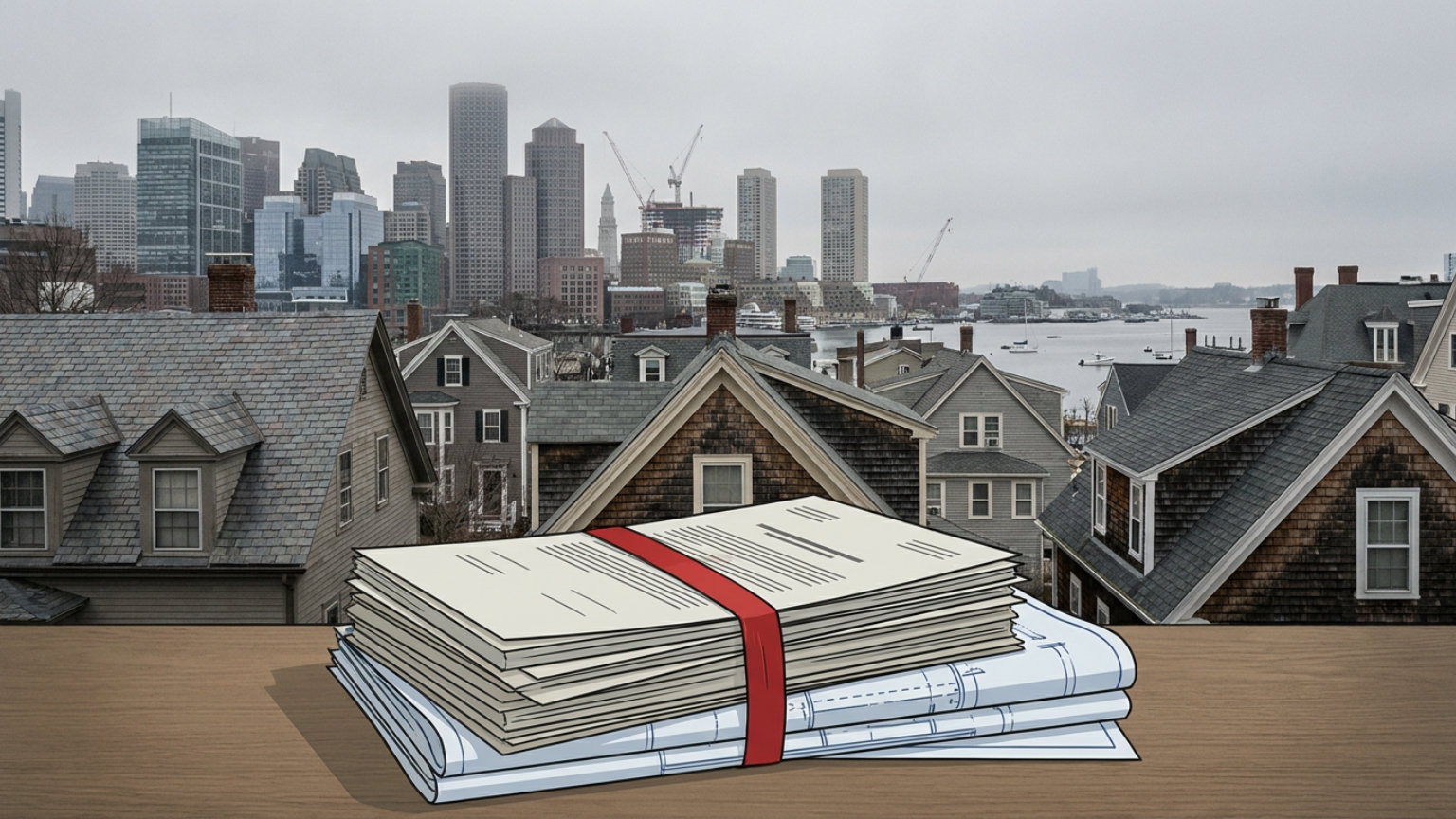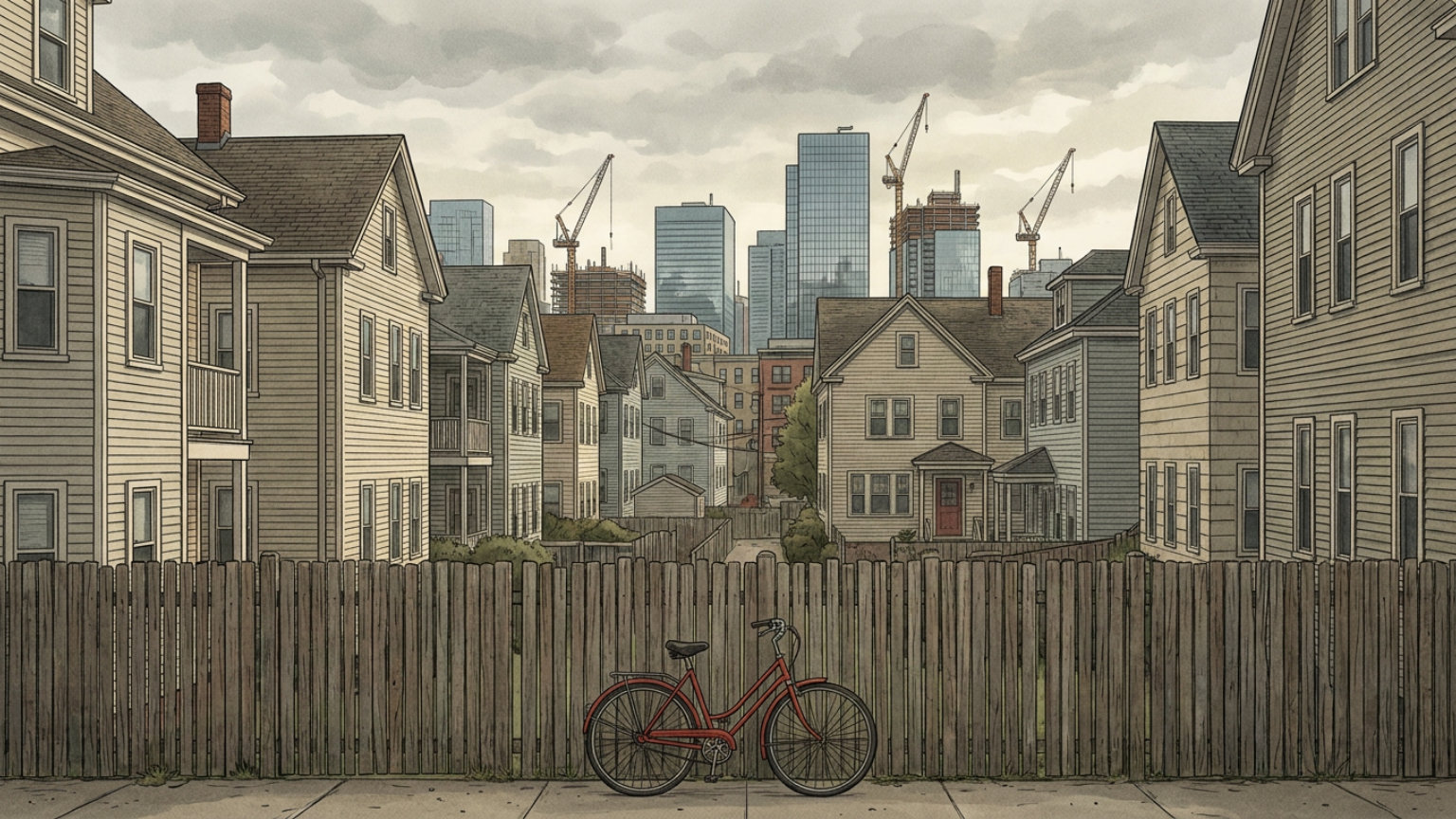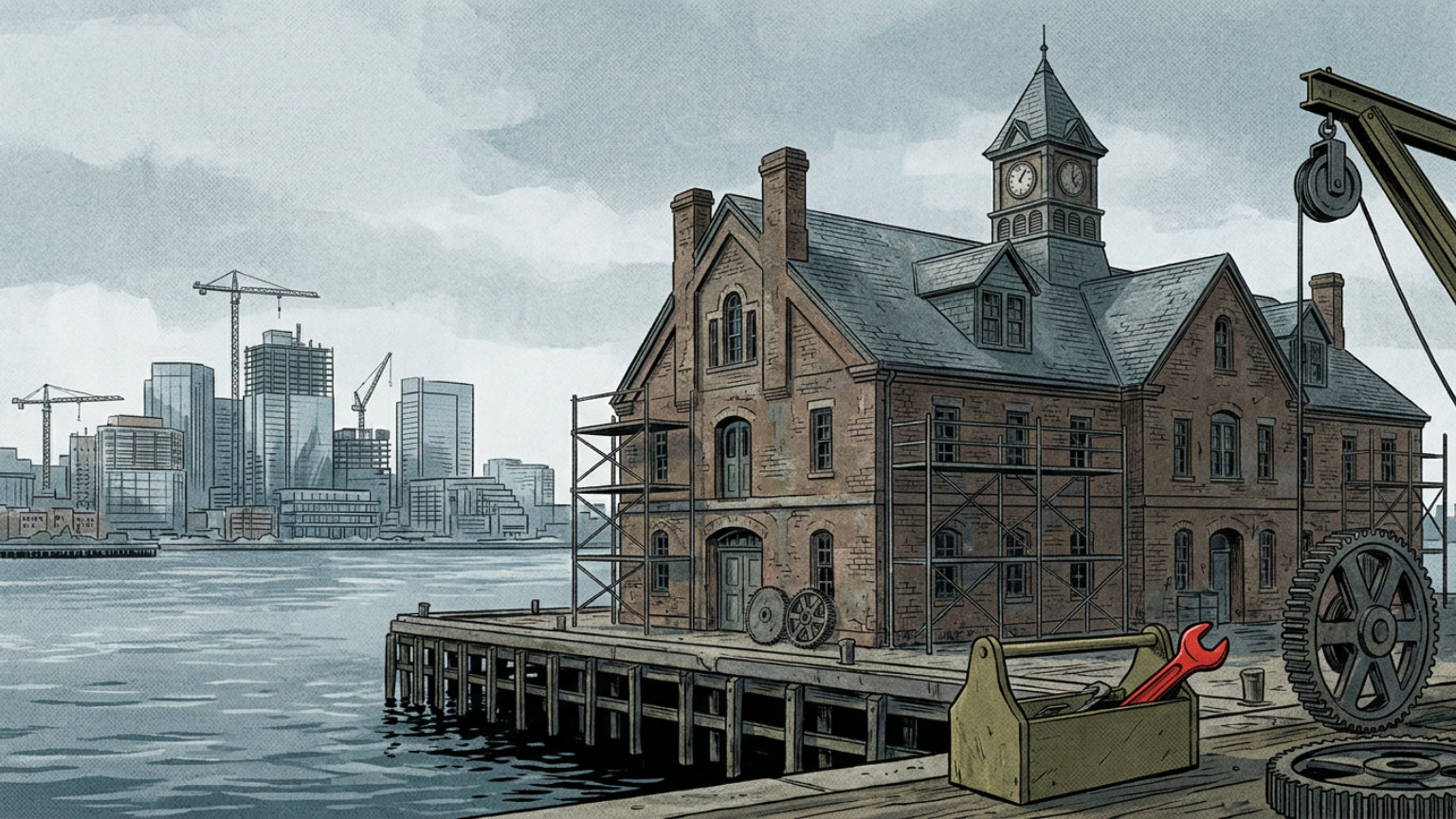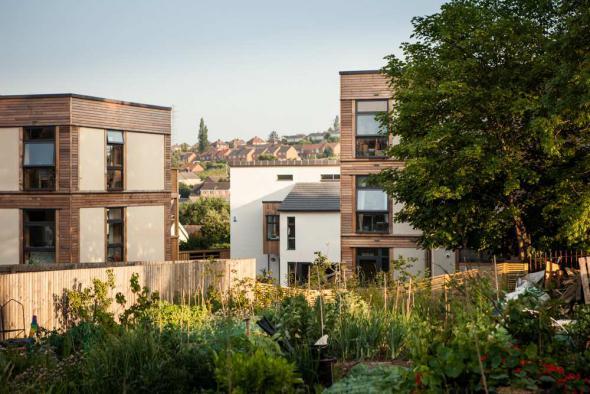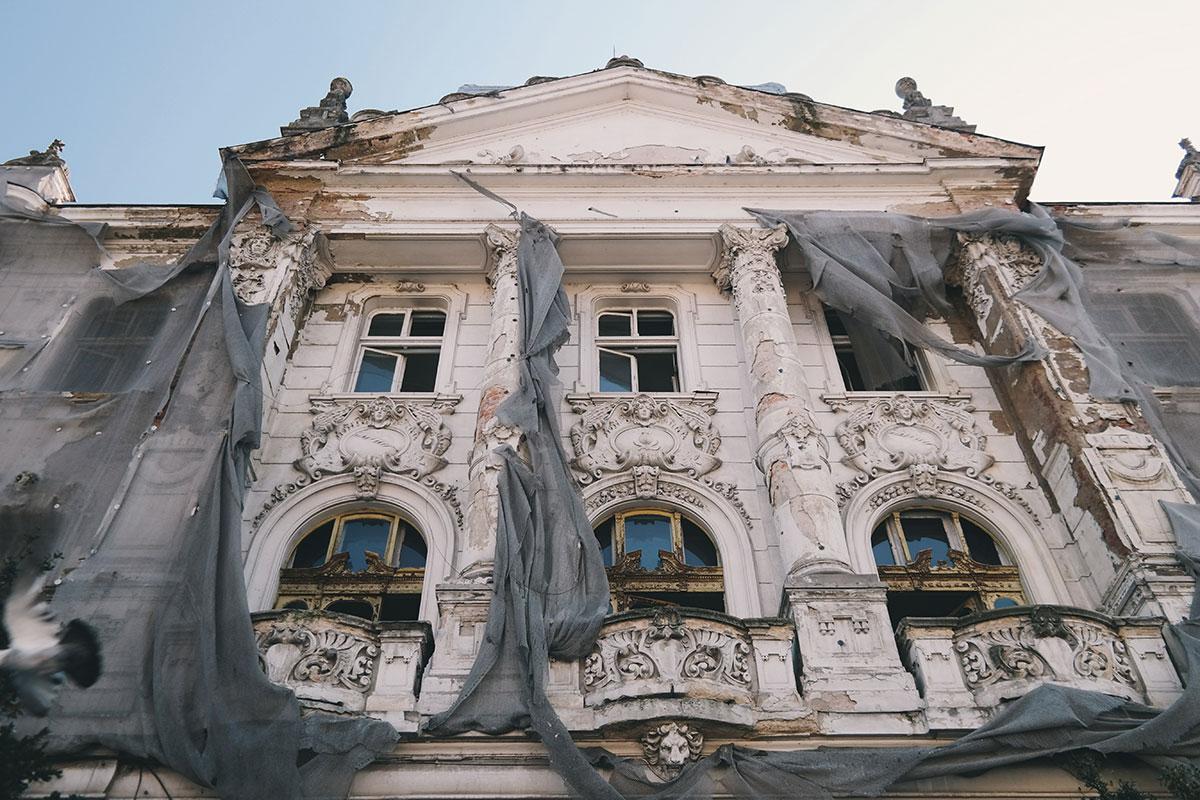
As cities expand and modernize at an unprecedented pace, the challenge of preserving historic buildings amidst rapid urban growth has taken center stage. Balancing the demands of development with the need to protect cultural heritage has become a critical issue for urban planners, architects, and communities alike. Historic structures, which serve as tangible links to the past, face threats from demolition, neglect, and incompatible new constructions. This article explores the complex dynamics of safeguarding architectural legacies while accommodating the pressures of population growth and economic progress, highlighting innovative strategies and the ongoing debate over heritage conservation in contemporary cityscapes.
Table of Contents
- Balancing Modern Development with Cultural Legacy
- Challenges in Maintaining Structural Integrity of Historic Sites
- Community Involvement in Preservation Efforts
- Innovative Policies for Sustainable Urban Growth and Conservation
- The Way Forward
Balancing Modern Development with Cultural Legacy
Urban expansion and architectural innovation often stand at odds with preserving the cultural heritage embedded in historic buildings. Cities face the challenge of integrating contemporary infrastructure without erasing the stories and aesthetics that define their identities. Key to this balance is collaborative planning that respects both the demand for modern functionality and the irreplaceable value of heritage structures.
Triumphant preservation efforts rely on strategies such as:
- Adaptive reuse that gives old buildings new purposes while maintaining their character
- Regulatory frameworks that protect critical sites without stifling development
- Community engagement to ensure local voices guide the conservation process
By fostering dialog between architects, developers, and preservationists, cities can cultivate environments where history coexists with progress, ensuring that cultural legacies remain visible and relevant amid ongoing growth.
Challenges in Maintaining Structural Integrity of Historic Sites
Historic sites face a complex array of challenges that jeopardize their structural integrity. Natural aging processes, such as weathering, erosion, and material fatigue, gradually weaken foundations and architectural details originally designed for different environmental conditions. Additionally,urban development pressures and nearby construction activities can induce vibrations and ground shifts,accelerating deterioration. The presence of pollution and environmental contaminants further exacerbates the decay of delicate building materials, demanding specialized conservation techniques that balance respect for original craftsmanship with modern engineering standards.
Maintenance efforts are often hindered by several key factors:
- Lack of detailed original construction records complicates accurate restoration.
- Securing funding for ongoing preservation projects remains a persistent challenge.
- Adapting historic buildings to comply with current safety codes without compromising authenticity.
- Hiring skilled artisans familiar with traditional building methods is increasingly rare.
- Balancing public access with protection, as visitor traffic can cause wear and tear.
Preserving these landmarks demands an interdisciplinary approach that weaves together history, science, and community engagement to ensure structural resilience for generations to come.
Community Involvement in Preservation Efforts
Across cities grappling with rapid urban development, grassroots initiatives have become pivotal in safeguarding heritage sites. Communities are not just passive observers but active participants, organizing fundraisers, awareness drives, and volunteer preservation projects that bring residents face-to-face with their shared history. These efforts highlight how local stewardship fosters a collective obligation to protect architectural legacies, reinforcing cultural identity amid the pressures of modernization.
Key community actions driving preservation include:
- Forming neighborhood coalitions dedicated to ancient education and advocacy
- Collaborating with municipal bodies to influence zoning laws favoring heritage conservation
- Hosting workshops and public forums that engage diverse demographics in meaningful dialogue
- Leveraging social media platforms to amplify support and share restoration successes
Such grassroots involvement creates a framework where sustainable growth and preservation coexist, ensuring that historic buildings remain vital and relevant. The synergy between civic pride and practical activism demonstrates the community’s critical role in shaping a built environment that honors the past while accommodating future needs.
Innovative Policies for Sustainable Urban Growth and Conservation
City planners and policymakers are increasingly adopting forward-thinking strategies that marry urban expansion with historic preservation. Central to this approach are innovative zoning laws that prioritize the adaptive reuse of historic buildings, allowing them to serve modern purposes without compromising their architectural integrity. These laws often include incentives for developers who incorporate sustainable materials and energy-efficient technologies during restoration projects, reducing environmental impact. Additionally, local governments are introducing heritage overlay zones that protect cultural landmarks while encouraging density and mixed-use developments in surrounding areas, establishing a dynamic balance between growth and conservation.
Public-private partnerships have emerged as vital engines of sustainable urban renewal, channeling resources and expertise into rehabilitating aging structures. These collaborations foster community involvement and support through initiatives like
- grants and tax relief for heritage property owners
- community workshops promoting awareness of sustainable conservation practices
- integration of green infrastructure such as rain gardens and solar panels into restoration designs
The combination of these policies reflects a holistic vision that aligns economic growth with environmental stewardship and social responsibility, ultimately shaping cities that honor their past while embracing a sustainable future.
The Way Forward
As cities continue to evolve, the delicate balance between embracing modern growth and preserving historic buildings remains a pressing challenge. Stakeholders must work collaboratively to ensure that development does not come at the cost of cultural and architectural heritage. By integrating thoughtful preservation strategies with innovative urban planning, communities can honor their past while paving the way for a sustainable future. The conversation on balancing growth and heritage is far from over, but with vigilant effort, historic buildings can continue to tell their stories amid the ever-changing cityscape.